safari booking Portal for Ubuntu Safari & Tours
Questions & Answers Before Your Tanzania Safari
Everything you need to know about wildlife safaris, beach holidays in Zanzibar, Mt. Kilimanjaro treks, cultural experiences, visas, and health safety.

1. Wildlife Safaris & Planning
The dry season from June to October is ideal for game viewing as animals assemble near water sources. To witness the Great Migration river crossings in the Northern Serengeti, plan between July and September.
It is the year-round movement of over 1.5 million wildebeest and zebras through the Serengeti ecosystem. Calving occurs in Ndutu from January to March, and Mara River crossings occur from July to September.
A 5 to 7-day safari covers the major Northern Circuit highlights (Serengeti, Ngorongoro Crater, Tarangire, Lake Manyara) comprehensively without feeling rushed.
A private safari gives you exclusive access to a 4×4 vehicle with customized schedules and routes. A group joining safari lowers costs by sharing the vehicle and itinerary with other travelers.
The Northern Circuit (Serengeti, Ngorongoro) offers iconic sights and high wildlife density. The Southern Circuit (Nyerere, Ruaha) provides remote, uncrowded wilderness experiences.
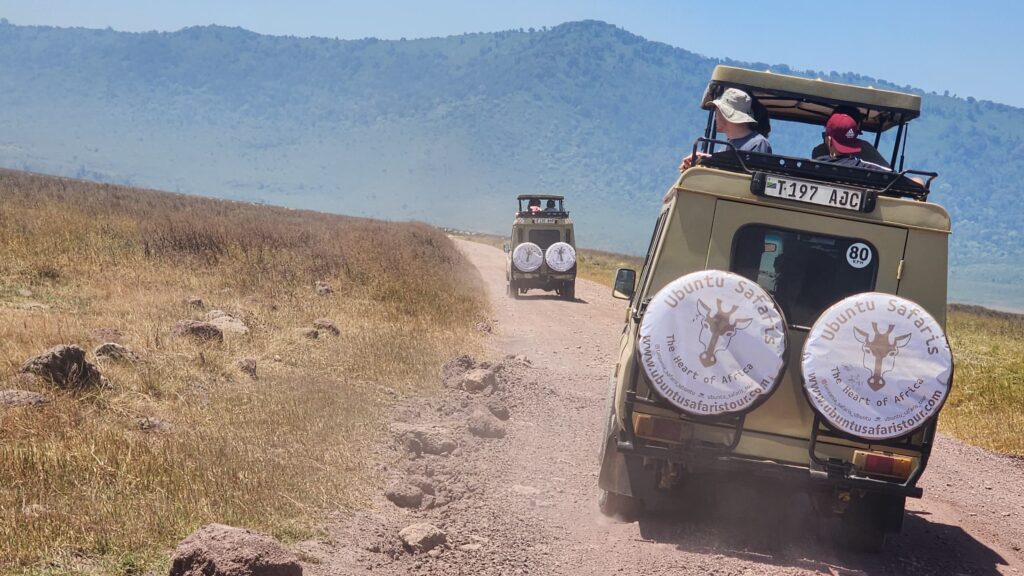
Custom-built 4×4 Toyota Land Cruisers equipped with pop-up roofs for 360-degree viewing, charging sockets, refrigerators, and extended suspension for off-road comfort.
Yes, family safaris are very popular. Most lodges welcome children, though some exclusive camps enforce minimum age requirements (typically 6 or 12 years).
It is the world’s largest intact, unfilled volcanic caldera. It acts as a natural enclosure hosting over 25,000 large mammals, including rare black rhinos.
Options range from budget public campsites and mid-range tented camps to ultra-luxury permanent safari lodges with full hotel amenities.
Yes, hot air balloon safaris operate daily in Central, Northern, and Southern Serengeti, ending with a champagne bush breakfast upon landing.

2. Mount Kilimanjaro & Trekking
The Lemosho and Machame routes offer excellent scenic views and superior acclimatization profiles, leading to summit success rates over 90%.
Treks range from 5 to 9 days. Choosing a 7 or 8-day itinerary is recommended to allow proper body adjustment to higher altitudes.
No, Kilimanjaro is a non-technical walk-up mountain. Good physical conditioning and stamina are all that are required.
January through March and June through October offer the driest conditions and clearer skies for trekking.
Walk slowly (“pole pole”), drink 4-5 liters of water daily, choose longer itineraries, and consider taking prophylactic medication like Diamox after consulting a doctor.
On most routes (Lemosho, Machame, Rongai), climbers stay in four-season mountain tents. On the Marangu Route, accommodation consists of basic wooden A-frame huts.
Essential gear includes thermal base layers, insulated down jackets, waterproof outer shells, broken-in trekking boots, sleeping bags (-10°C rating), and trekking poles.
Every climb is supported by a licensed lead guide, assistant guides, specialized cooks, and a team of porters who transport camp gear and baggage.
Yes, Mount Meru (4,562m) in Arusha National Park is an excellent 3 to 4-day trek that serves as ideal altitude preparation for Kilimanjaro.
Tipping is customary. Average industry guidelines suggest $20/day for lead guides, $15/day for assistant guides/cooks, and $10/day per porter, shared across the group.

3. Zanzibar & Island Beaches
By domestic flights from Kilimanjaro (JRO), Arusha (ARK), or bush airstrips direct to Zanzibar (ZNZ), or via a 100-minute passenger ferry from Dar es Salaam.
Key destinations include Stone Town (UNESCO World Heritage Site), Nungwi and Kendwa beaches, Jozani Chwaka Bay National Park, and Prison Island.
Nungwi and Kendwa on the northern tip of Zanzibar offer all-day swimming with minimal tide changes compared to the east coast.
Zanzibar is conservative. Visitors should dress modestly in public areas by covering shoulders and knees out of respect for local customs.
Zanzibar is very safe for tourists. Standard travel precautions apply: avoid walking unlit beaches alone at night and keep personal valuables secure.
A guided walk through organic plantations tasting and learning about cloves, nutmeg, cinnamon, vanilla, and tropical fruits that give Zanzibar its “Spice Island” nickname.
Yes, key marine spots include the Mnemba Atoll Conservation Area, Chumbe Island, and Leander Shoal, which offer clear waters and abundant marine life.
US Dollars (issued post-2009) and Tanzanian Shillings (TZS) are widely accepted. Credit cards are accepted at major resorts but often incur a 3–5% processing fee.
The best dry months are June through October and December through February, featuring sunny days and low rainfall.
Yes, a multi-destination itinerary combining a 7-day Kilimanjaro climb, a 5-day safari, and a 3-day Zanzibar beach stay is a very popular sequence.

4. Practical Logistics, Health & Culture
Most non-residents require a visa. Apply online beforehand via the official Tanzanian e-Visa website or buy it upon arrival at main airports.
Yellow Fever vaccination proof is required if arriving from or transiting through (for over 12 hours) a country with Yellow Fever risk.
Malaria exists in low-elevation areas. Use insect repellent, sleep under mosquito nets, wear long sleeves at dusk, and take prescribed antimalarial tablets.
Wear neutral shades (khaki, beige, olive green). Avoid dark blue and black (which attract tsetse flies) and bright colors like red or neon shades during game drives.
Credit cards are accepted at major hotels and lodges. Cash (USD or TZS) is necessary for small local shops, tipping, and rural markets.
Tanzania uses Type G electrical sockets (the 3-square-pin British standard) running at 230V and 50Hz.
No, drink only filtered, boiled, or commercially bottled water. Use bottled water for brushing teeth as well.
Swahili is the national language, and English is widely spoken in tourism, business, and hospitality sectors across the country.
Ethical cultural tours pay entrance and guide fees directly to host villages (e.g., Maasai, Hadzabe, Chagga), supporting local schools and healthcare projects.
Booking 6 to 9 months ahead is advised to secure permits, internal flights, and top lodge availability for peak travel months.
LET US CREATE YOUR TAILOR-MADE TRIP
Receive a free, no-obligation quote
Tell us your dates, interests and budget. A real person on the ground in Arusha replies with a tailored itinerary — usually within 24 hours.