
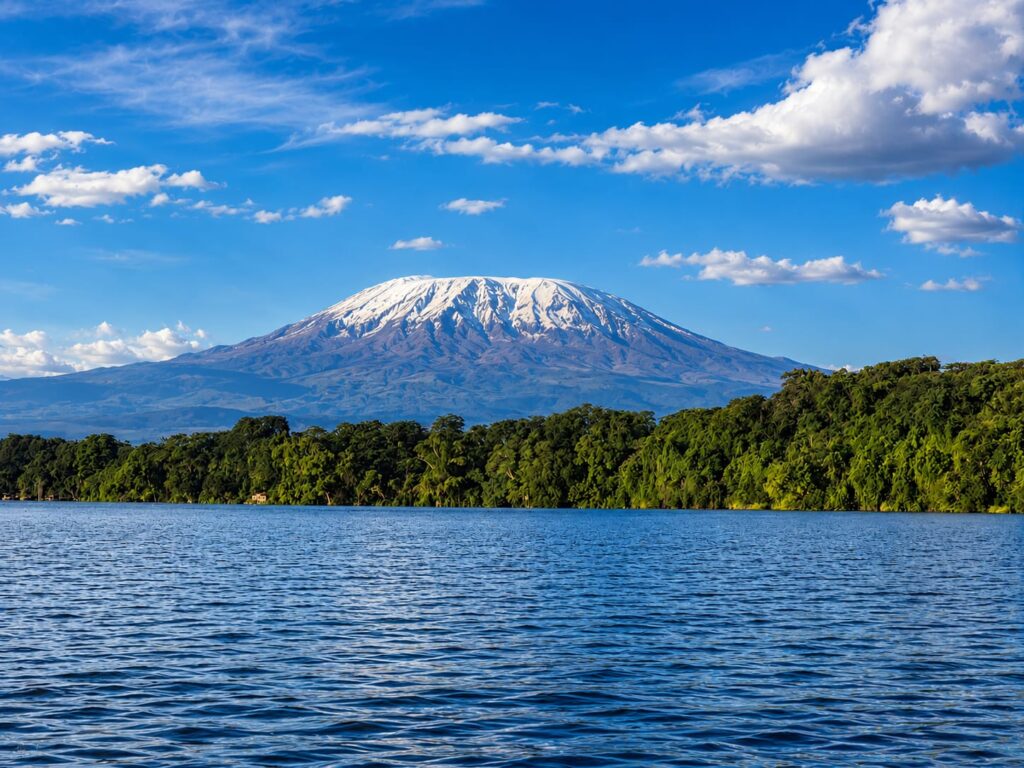
Tanzania represents the pinnacle of the African safari experience. Home to the legendary Great Wildebeest Migration, the awe-inspiring Ngorongoro Crater, and the iconic snow-capped peak of Mount Kilimanjaro, this East African destination offers unmatched biodiversity and pristine wilderness.
Whether you are dreaming of watching thousands of wildebeest brave crocodile-infested river crossings, tracking the elusive Big Five across crater floors, or ending your wild adventures on the white sand beaches of Zanzibar, planning a Tanzania safari can feel overwhelming. With dozens of national parks, vast seasonal shifts, complex logistics, and varied price points, making the right choices requires expert insight.
This comprehensive guide serves as your definitive resource for planning the ultimate Tanzania safari. Inside, you will discover detailed breakdowns of every safari circuit, month-by-month timing insights, realistic budget expectations, recommended itineraries, and essential practical tips to turn your dream adventure into reality.
1. Why Choose Tanzania for Your African Safari?
Africa offers several world-class safari destinations, but Tanzania consistently stands at the very top for both first-time travelers and seasoned safari veterans. Here is why Tanzania remains unmatched:
- Unrivaled Wildlife Density and Variety: Tanzania sets aside over 30% of its total land area for wildlife conservation. It boasts the highest concentration of predatory animals per square kilometer in Africa and is home to roughly 20% of Africa’s total large mammal population.
- The Great Wildebeest Migration: As the stage for the largest mammal migration on Earth, Tanzania plays host to over 1.5 million wildebeest, 200,000 zebras, and hundreds of thousands of gazelles moving endlessly across its ecosystems in search of fresh grazing grounds.
- The World’s Largest Intact Caldera: The Ngorongoro Crater provides a self-contained natural sanctuary where nearly every major African species—including the rare black rhino—can be spotted within a single morning.
- Bush and Beach Synergy: Few destinations allow you to seamlessly transition from a dusty, adrenaline-filled game drive in the African wilderness to a private lounge chair overlooking the turquoise waters of the Indian Ocean within a two-hour flight.
- Commitment to Low-Impact Tourism: Many of Tanzania’s safari areas, especially in the Southern and Western Circuits, enforce strict conservation guidelines that favor high-value, low-density tourism. This ensures authentic, uncrowded wilderness experiences.
2. Understanding Tanzania’s Safari Circuits
To plan a Tanzania safari effectively, you must understand its geography. Tanzania’s national parks and game reserves are divided into four primary safari regions, known as “circuits.” Each offers a distinct atmosphere, landscape, and style of wildlife viewing.
+-------------------------------------------------------------------------+
|                         TANZANIA SAFARI CIRCUITS                        |
+-------------------------------------------------------------------------+
|                                                                         |
|  [ NORTHERN CIRCUIT ]   --->  Serengeti, Ngorongoro, Tarangire, Manyara |
|                               (Classic, High Wildlife Density, Iconic)  |
|                                                                         |
|  [ SOUTHERN CIRCUIT ]   --->  Nyerere (Selous), Ruaha, Mikumi           |
|                               (Vast Wilderness, Boat Safaris, Remote)   |
|                                                                         |
|  [ WESTERN CIRCUIT ]    --->  Mahale Mountains, Katavi, Gombe Stream   |
|                               (Chimpanzee Trekking, Extreme Isolation)  |
|                                                                         |
|  [ COASTAL CIRCUIT ]    --->  Zanzibar, Pemba, Mafia Island             |
|                               (White Sands, Coral Reefs, Post-Safari)   |
|                                                                         |
+-------------------------------------------------------------------------+
The Northern Safari Circuit: The Iconic Trail
The Northern Circuit is Tanzania’s flagship safari route. It is accessible, exceptionally rich in game, and home to the country’s famous landmarks.
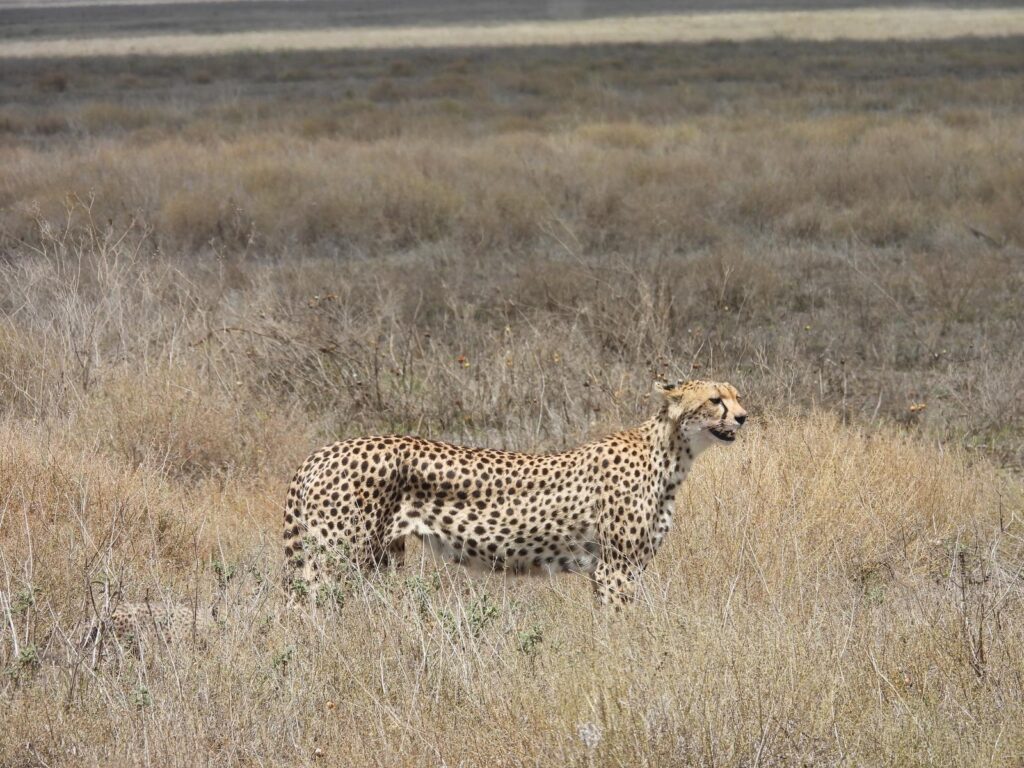
- Serengeti National Park: A vast expanse of short-grass savanna spanning nearly 15,000 square kilometers. The Serengeti is synonymous with classic African safaris, hosting massive prides of lions, cheetahs hunting on open plains, leopards hiding in acacia trees, and the Great Migration year-round.
- Ngorongoro Conservation Area: A UNESCO World Heritage Site featuring a 600-meter-deep volcanic caldera. The crater floor acts as a natural enclosure holding roughly 30,000 animals, including elephant bulls with massive tusks, dense lion coalitions, and endangered black rhinos.
- Tarangire National Park: Famous for its giant ancient baobab trees and enormous elephant herds. During the dry season (June to October), the Tarangire River becomes the only reliable water source in the region, drawing thousands of elephants, wildebeest, and zebras.
- Lake Manyara National Park: Nestled at the base of the Great Rift Valley escarpment, this park features a shallow alkaline lake, lush groundwater forests, tree-climbing lions, and large troops of baboons and pink flamingos.
- Arusha National Park: Located just outside Arusha city, this park offers walking safaris at the foot of Mount Meru, black-and-white colobus monkeys, and canoeing along the Momella Lakes.
The Southern Safari Circuit: Wild and Uncrowded
If you prefer remote wilderness, fewer safari vehicles, and open terrain, the Southern Circuit delivers an untamed adventure.
- Nyerere National Park (formerly Selous Game Reserve): One of the largest protected wildlife areas in the world. Nyerere is defined by the Rufiji River system, allowing visitors to experience boat safaris alongside hippos and massive Nile crocodiles, as well as walking safaris.
- Ruaha National Park: Tanzania’s hidden gem. Ruaha features rugged, dry landscapes dotted with baobabs and hosts roughly 10% of the world’s remaining wild lion population, alongside massive buffalo herds and rare wild dogs.
- Mikumi National Park: Highly accessible from Dar es Salaam, offering open floodplains populated by giraffes, zebras, and impalas—ideal for short weekend getaways.
The Western Safari Circuit: Off-the-Beaten-Path Secrets
Reserved for intrepid travelers, the Western Circuit requires flight transfers, offering absolute exclusivity and extraordinary primate encounters.
- Mahale Mountains National Park: Set on the sandy shores of Lake Tanganyika, Mahale offers one of the best chimpanzee tracking experiences on the planet set against forested mountains.
- Katavi National Park: Raw, untamed Africa at its most intense. Katavi is known for massive pods of hippos fighting over remaining water holes at the end of the dry season, alongside herd numbers of buffalo that can reach into the thousands.
- Gombe Stream National Park: The site of Jane Goodall’s groundbreaking research on wild chimpanzees, featuring steep valleys and dense forest tracks overlooking Lake Tanganyika.
3. Top National Parks & Destinations Detailed
| Park / Reserve | Size (sq km) | Top Highlights | Best Time to Visit | Primary Wildlife |
| Serengeti National Park | 14,763 | Great Migration, endless plains, predator action | June–October & Jan–March | Lions, leopards, cheetahs, wildebeest, zebras |
| Ngorongoro Crater | 8,292 (Area) | World’s largest intact caldera, dense wildlife | Year-round (Jan–Feb for green beauty) | Black rhinos, lions, elephants, hippos |
| Tarangire National Park | 2,850 | Giant baobabs, massive elephant herds | July–October (Dry Season) | Elephants, lions, leopards, giraffes, pythons |
| Lake Manyara National Park | 325 | Rift Valley views, flamingos, tree lions | November–June (Birding/Lush) | Flamingos, baboons, tree-climbing lions |
| Nyerere National Park | 30,893 | Boat safaris, walking safaris, wild river banks | June–October | Hippos, crocodiles, African wild dogs, lions |
| Ruaha National Park | 20,226 | Massive lion pride populations, wild terrain | June–October | Lions, buffaloes, wild dogs, sable antelopes |
| Mahale Mountains | 1,613 | Wild chimpanzee trekking, Lake Tanganyika beaches | July–October | Chimpanzees, red colobus monkeys, endemic fish |
4. The Great Wildebeest Migration Breakdown
The Great Migration is not a single annual event; it is an ongoing, fluid, 1,200-mile circular journey through the Serengeti ecosystem in Tanzania and the Maasai Mara in Kenya. Because it is driven by rainfall and pasture growth, understanding where the herds are throughout the year is critical when booking your Tanzania safari.
+-------------------------------------------------------------------------+
|                    GREAT WILDEBEEST MIGRATION CYCLE                     |
+-------------------------------------------------------------------------+
|                                                                         |
|  [ JAN - MAR ]  ---> Southern Serengeti & Ndutu                         |
|                      * Calving Season: 8,000 births per day.            |
|                      * Intense predator activity.                       |
|                                                                         |
|  [ APR - MAY ]  ---> Central & Western Serengeti                        |
|                      * Herds move north through rain; mating season.    |
|                                                                         |
|  [ JUN - JUL ]  ---> Western Corridor & Grumeti River                   |
|                      * First major river crossings (Grumeti).           |
|                                                                         |
|  [ AUG - OCT ]  ---> Northern Serengeti (Mara River)                    |
|                      * Dramatic Mara River crossings into Kenya.        |
|                                                                         |
|  [ NOV - DEC ]  ---> Journey Southward via East/Central Serengeti       |
|                      * Short rains draw herds back to short-grass plain.|
|                                                                         |
+-------------------------------------------------------------------------+
December to March: The Calving Season (Southern Serengeti & Ndutu)
During these months, the herds settle on the rich, nutrient-packed short-grass plains of the Southern Serengeti and the Ndutu region of the Ngorongoro Conservation Area.
- The Highlight: In February, the calving season peaks. Roughly 8,000 wildebeest calves are born every single day over a 2 to 3-week window.
- Predator Action: This incredible influx of vulnerable calves attracts high concentrations of lions, cheetahs, leopards, and hyenas, delivering some of the most dramatic wildlife action anywhere on earth.
April to May: The Rut and Northward Trek (Central Serengeti)
As the short-grass plains dry up and the long rains fall, the herds begin moving northwest through the Central Serengeti (Seronera region).
- The Highlight: This is the breeding season (rutting season), characterized by noisy territorial battles between bulls. The landscape turns vibrant green, accommodation prices dip during the shoulder/rainy season, and tourist density drops dramatically.
June to July: Grumeti River Crossings (Western Corridor)
As the herds march further north, they congregate along the Western Corridor of the Serengeti, facing their first major geographical obstacle: the Grumeti River.
- The Highlight: The herds mass along the banks before plunging across waters guarded by giant Nile crocodiles. While less famous than the Mara River crossings, the Grumeti crossings are spectacular and raw.
August to October: The Mara River Crossings (Northern Serengeti)
This is the iconic, action-packed chapter of the migration that features on wildlife documentaries. The herds gather in the Kogatende area of the Northern Serengeti along the banks of the Mara River.
- The Highlight: The dramatic Mara River crossings. Panicked herds plunge down steep riverbanks, dodging rushing rapids, snapping crocodile jaws, and territorial river hippos. Witnessing a river crossing requires patience, but it stands as one of nature’s greatest spectacles.
November: The Southward Journey
With the arrival of the short rains, the herds turn around and march rapidly southward back through the Eastern Serengeti, preparing to start the reproductive cycle once again in Ndutu by late December.
5. Best Time to Visit Tanzania for a Safari
Tanzania is a year-round safari destination, but the timing of your visit affects weather patterns, animal movements, costs, and crowd levels.
       SEASONAL SAFARI CALENDAR IN TANZANIA
---------------------------------------------------
 Month    Weather        Wildlife    Crowds  Value
---------------------------------------------------
 Jan      Warm/Dry       Excellent   Medium   High
 Feb      Warm/Dry       Peak Calv   Medium   High
 Mar      Rains Begin    Good        Low      Very High
 Apr      Heavy Rains    Good        Very Low Best Deals
 May      Rains Ease     Good        Low      High
 Jun      Dry/Cool       Excellent   Medium   Good
 Jul      Dry/Cool       Peak Migr   High     Standard
 Aug      Dry/Clear      Peak Migr   Peak     Standard
 Sep      Dry/Warm       Peak Migr   Peak     Standard
 Oct      Dry/Warm       Excellent   High     Good
 Nov      Short Rains    Great       Low      High
 Dec      Warm/Green     Excellent   High     Standard
---------------------------------------------------
The Long Dry Season (June to October): Peak Safari Window
- Weather: Sunny days, clear blue skies, minimal humidity, and cool evenings. Temperatures range between 15°C and 26°C (59°F to 78°F).
- Wildlife Viewing: Excellent. Sparse vegetation makes animals easy to spot, while water sources shrink, forcing wildlife to concentrate along rivers and permanent water holes.
- Cons: Higher lodge prices, busier park gates, and crowded sightings in popular Northern Circuit zones.
The Green Season / Short Rains (November to December)
- Weather: Brief afternoon rain showers that clear quickly without disrupting travel schedules.
- Wildlife Viewing: Migratory birds arrive from Europe and North Africa, vegetation springs to life, and animals spread out across lush pastures.
- Pros: Lower rates, fewer safari vehicles, beautiful emerald landscapes perfect for photography.
The Short Dry Season (January to February): Calving Season
- Weather: Warm, dry, pleasant weather between the two rainy seasons.
- Wildlife Viewing: Superb. Focuses heavily on the Southern Serengeti and Ndutu for the wildebeest calving season.
The Long Heavy Rains (March to May): Low Season
- Weather: Heavy downpours, high humidity, and muddy roads. Some camps in remote regions (especially Southern/Western Circuits) close for maintenance.
- Wildlife Viewing: Excellent resident game viewing remains intact in Ngorongoro and Central Serengeti.
- Pros: Deep discounts on luxury lodges, zero crowd pressure, and lush greenery.
6. Understanding Tanzania Safari Costs: Budgeting & Pricing
A Tanzania safari is an investment. High park conservation fees, remote infrastructure costs, and customized 4×4 vehicles mean safaris carry a higher baseline price tag than standard holidays. However, there are options available for nearly every budget.
Daily Cost Tiers per Person (USD)
- Budget Safaris ($200 – $350 per day): Includes public campsite accommodation in dome tents, shared or budget private 4×4 safari vehicles, an onboard safari chef, and public park entry fees.
- Mid-Range Safaris ($400 – $750 per day): Includes comfortable permanent tented camps or 3-to-4-star lodges, private 4×4 land cruisers, full board meals, professional driver-guides, and park fees.
- Luxury Safaris ($800 – $1,500+ per day): Includes high-end luxury safari lodges or exclusive canvas camps, open-air vehicles, fly-in bush transfers, gourmet dining, and personalized butler services.
- Ultra-Luxury Safaris ($2,000 – $4,500+ per day): Exclusive private reserve concessions (such as Singita or Sanctuary Retreats), private charter aircraft, bespoke conservation excursions, and top-tier guides.
Where Does Your Money Go? Mandatory Safari Breakdown
+-------------------------------------------------------------------------+
|                    TYPICAL SAFARI COST ALLOCATION                       |
+-------------------------------------------------------------------------+
|                                                                         |
|  [ 35% - 40% ]  ---> Park Conservation, Transit & Crater Fees            |
|  [ 30% - 35% ]  ---> Accommodations & Food                            |
|  [ 15% - 20% ]  ---> Vehicle Maintenance, Fuel, & Transport            |
|  [ 10% - 15% ]  ---> Professional Guide Wages & Operational Overhead  |
|                                                                         |
+-------------------------------------------------------------------------+
- Government & Park Conservation Fees: Tanzania charges mandatory per-person per-day entrance fees (e.g., ~$71 per adult per day for Serengeti, ~$71 entry plus $295 vehicle descent fee for Ngorongoro Crater).
- Concession Fees: Staying at a lodge or camp situated inside a national park incurs an additional daily concession fee paid straight to park authorities (ranging from $59 to $70 per person per night).
- 4×4 Safari Land Cruiser Maintenance & Fuel: Custom-built 4×4 Land Cruisers with pop-up roofs are required to navigate tough safari terrain. Fuel and maintenance costs in remote locations are factored directly into daily prices.
- Professional Guide Compensation: A licensed, highly trained, English-speaking wildlife guide is included for the duration of your trip.
7. Recommended Tanzania Safari Itineraries
Itinerary 1: The Essential Northern Highlights (5 Days)
Ideal for first-time visitors with limited time seeking the classic safari experience.
- Day 1: Arusha to Tarangire National Park. Depart Arusha after breakfast. Enjoy an afternoon game drive in Tarangire amid baobabs and vast elephant herds. Overnight near Lake Manyara or Karatu.
- Day 2: Tarangire to Central Serengeti. Drive through the scenic Ngorongoro Highlands into the Serengeti plains. Afternoon game drive upon entering Seronera. Overnight at a Serengeti tented camp.
- Day 3: Full Day in Serengeti National Park. Dedicated morning and afternoon game drives exploring river valleys, tracking big cats, and following resident herds. Overnight at Serengeti tented camp.
- Day 4: Serengeti to Ngorongoro Rim. Morning game drive in the Serengeti before departing toward the Ngorongoro Conservation Area. Overnight at a crater rim lodge or Karatu highlands.
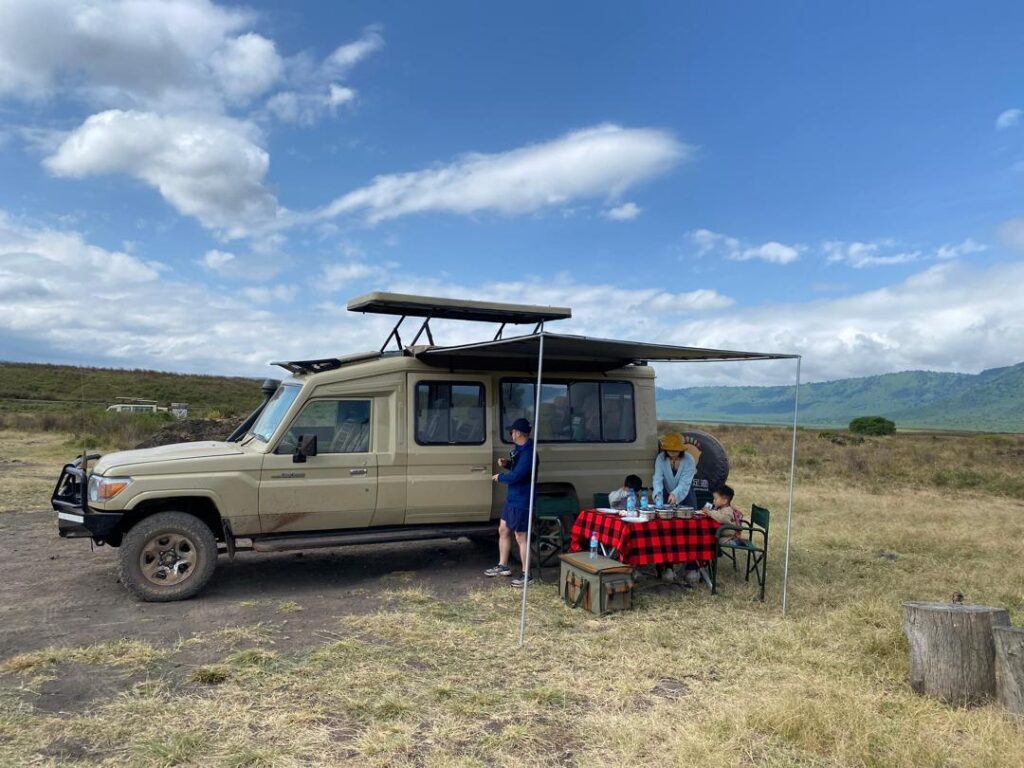
- Day 5: Ngorongoro Crater Floor to Arusha. Early morning descent into the crater floor for a 6-hour game drive searching for the Big Five. Enjoy a picnic lunch by the hippo pool, ascend the crater, and return to Arusha for departure.
Itinerary 2: The Ultimate Northern Circuit & Great Migration (8 Days)
A complete adventure designed to track the Great Migration while hitting all major Northern Circuit parks.
   8-DAY ULTIMATE NORTHERN CIRCUIT ROUTE
   -------------------------------------------------
   Arusha ➔ Tarangire ➔ Lake Manyara ➔ Central Serengeti ➔
   Northern/Southern Serengeti ➔ Ngorongoro Crater ➔ Arusha
- Day 1: Arusha to Tarangire National Park. Full day game drive exploring the Tarangire River basin. Overnight in Tarangire.
- Day 2: Lake Manyara National Park. Explore groundwater forests and salt lake shores populated by birdlife and primates. Overnight in Karatu.
- Day 3: Karatu to Central Serengeti. Travel through Olduvai Gorge (the “Cradle of Mankind”) into the Central Serengeti. Afternoon game drive.
- Day 4 & 5: Northern (or Southern) Serengeti. Drive north toward Kogatende (July–October) to witness river crossings, or south toward Ndutu (Jan–March) for the calving season. Two full days of tracking big cats and massive herds.
- Day 6: Migration Hub to Central Serengeti. Slow game drive returning toward the Central Serengeti, focusing on big cat coalitions and kopjes (rock outcrops).
- Day 7: Central Serengeti to Ngorongoro Highlands. Morning game drive across Seronera, ascending to the crater rim by late afternoon for panoramic sunset views.
- Day 8: Ngorongoro Crater Drive & Return. Descend early to spot rhinos, lions, and hippos. Return to Arusha or Kilimanjaro International Airport (JRO) by evening.
Itinerary 3: Bush & Beach – Serengeti & Zanzibar Escapade (10 Days)
The perfect blend of wilderness wildlife action and tropical island relaxation.
- Day 1: Arrival at Kilimanjaro Airport (JRO); transfer to Arusha for safari briefing.
- Day 2: Drive to Tarangire National Park for game drives among elephants and baobabs.
- Day 3: Travel into the Serengeti National Park; evening game drive across open savannas.
- Day 4: Full day game drive tracking predators in the Central Serengeti.
- Day 5: Serengeti to Ngorongoro Conservation Area; game drives along the crater rim.
- Day 6: Morning safari inside Ngorongoro Crater. Afternoon transfer to Seronera Airstrip for a direct bush flight to Zanzibar (ZNZ).
- Day 7–9: Three full days relaxing at a oceanfront resort on Zanzibar’s east coast (Nungwi, Kendwa, or Paje). Activities include dhow boat excursions, Stone Town tours, spice farm visits, and scuba diving.
- Day 10: Explore Stone Town for souvenir shopping before transferring to Zanzibar International Airport for departure.
Itinerary 4: Off-The-Beaten-Path Southern Wilderness (7 Days)
For seasoned travelers seeking raw wilderness, boat safaris, and zero crowds.
- Day 1: Flight from Dar es Salaam to Nyerere National Park (Selous). Afternoon boat safari along the Rufiji River.
- Day 2: Full-day 4×4 game drive through Nyerere exploring lakes, dry riverbeds, and woodlands.
- Day 3: Morning walking safari led by armed park rangers, followed by an afternoon game drive.
- Day 4: Bush flight from Nyerere to Ruaha National Park. Afternoon game drive along the Great Ruaha River.
- Day 5 & 6: Two full days exploring Ruaha’s rugged terrain, home to large lion prides, wild dogs, and rare antelopes.
- Day 7: Bush flight back to Dar es Salaam for international connection.
8. Accommodation Types: Where to Stay on Safari
Choosing the right safari accommodation shapes your overall comfort and style of experience. Tanzania offers options spanning four distinct categories:
+-------------------------------------------------------------------------+
|                       SAFARI ACCOMMODATION TYPES                        |
+-------------------------------------------------------------------------+
|                                                                         |
|  [ PUBLIC CAMPSITES ]    ---> Basic pitch tents, shared facilities      |
|                               (Best for low-budget travelers)           |
|                                                                         |
|  [ MID-RANGE TENTED ]    ---> Walk-in canvas tents, en-suite bathrooms |
|                               (Best balance of comfort and value)       |
|                                                                         |
|  [ LUXURY SAFARI LODGES ]---> Permanent brick/stone structures, pools   |
|                               (Maximum comfort, fine dining)            |
|                                                                         |
|  [ MOBILE MIGRATION ]    ---> Canvas camps that shift locations         |
|                               (Follows migration herds year-round)      |
|                                                                         |
+-------------------------------------------------------------------------+
1. Basic Public Campsites
- Style: Pitching lightweight dome tents on public park grounds with shared communal bathrooms and dining mess tents.
- Pros: Highly affordable, allows budget travelers to visit top national parks.
- Cons: Basic facilities, cold showers, zero privacy, limited electricity for charging devices.
2. Mid-Range Tented Camps
- Style: Large, walk-in canvas tents set on wooden platforms, equipped with real beds, fine linens, and en-suite bathrooms with hot showers and flush toilets.
- Pros: Authentic safari atmosphere—listen to lion calls at night while enjoying total comfort and delicious hot meals. Highly recommended for the best balance of value and experience.
3. Luxury Safari Lodges
- Style: Permanent stone, timber, or thatch structures offering upscale hotel amenities, infinity pools, fine dining, spa facilities, and private observation decks overlooking waterholes.
- Pros: Maximum physical comfort, refined service, ideal for families with young children or seniors.
4. Mobile Migration Camps
- Style: Canvas camps designed to move two to three times per year following the Great Wildebeest Migration.
- Pros: Guarantees you are positioned within striking distance of the massive herds regardless of the month you travel.
9. Essential Packing List for a Tanzania Safari
Packing correctly for a safari requires balancing comfort, local cultural customs, and vehicle space constraints.
       ESSENTIAL SAFARI PACKING CHECKLIST
---------------------------------------------------
 Category        Items to Pack
---------------------------------------------------
 Clothing        * Neutral-colored clothes (khaki, tan, olive)
                 * Warm fleece/jacket for early mornings
                 * Lightweight long-sleeve shirts & pants
                 * Comfortable walking shoes or trail runners
                 * Wide-brim sun hat & sunglasses

 Electronics     * Camera with zoom lens (200mm-600mm)
                 * Extra camera batteries & memory cards
                 * High-capacity power bank
                 * UK Type G plug adapter (Tanzania standard)
                 * Binoculars (8x42 or 10x42)

 Health & Meds   * Yellow Fever Vaccination Certificate (if required)
                 * Prescription Malaria Prophylactics
                 * DEET-based Insect Repellent
                 * Broad-spectrum Sunscreen (SPF 50+)
                 * Basic Personal First-Aid Kit
---------------------------------------------------
Critical Packing Rules
- Avoid Blue and Black Clothing: Dark blue and black colors attract tsetse flies, which deliver a painful bite in wooded park zones (like Tarangire or Western Serengeti). Stick to natural, neutral tones like beige, tan, khaki, and olive green.
- Strict Luggage Weight Limits: Internal bush flights (such as flights from Serengeti to Zanzibar) enforce a strict luggage cap of 15 kg to 18 kg (33 lbs to 40 lbs) per person, and require soft-sided duffel bags. Hard-shell suitcases often will not fit into light aircraft cargo bays.
- Single-Use Plastic Ban: Tanzania strictly enforces a ban on single-use plastic bags. Ensure all toiletries are packed in reusable clear travel pouches rather than disposable ziplock bags.
10. Health, Visas, Vaccines, and Safety
Entry Visas
Most international travelers require a tourist visa to enter Tanzania.
- Cost: $50 USD for most foreign nationals; $100 USD for US citizens (multiple-entry visa).
- Application: You can apply online via the official Tanzania e-Visa portal prior to travel or obtain a visa-on-arrival at major entry ports like Kilimanjaro International Airport (JRO), Julius Nyerere International Airport (DAR), and Abeid Amani Karume International Airport (ZNZ).
Mandatory & Recommended Vaccinations
- Yellow Fever: A Yellow Fever vaccination certificate is mandatory if you are arriving from or transiting through a country with a risk of Yellow Fever transmission (such as Kenya, Uganda, or Ethiopia).
- Routine Vaccines: Ensure routine vaccines (Hepatitis A, Hepatitis B, Typhoid, Tetanus, and Polio) are up to date.
- Malaria Precautions: Tanzania is a malaria-risk area. Speak with your travel clinic doctor to obtain prescription malaria prophylaxis (such as Atovaquone/Proguanil or Doxycycline) and use insect repellent during evening hours.
Safari Safety Guidelines
Tanzania is one of Africa’s safest and most stable countries for international travelers. While inside national parks, follow these essential safety guidelines:
- Never Walk Unescorted at Night: Safari camps inside national parks are unfenced. Animals (including lions, hyenas, and elephants) wander freely through camps after dusk. Always request a camp escort (askari) to walk you to and from your tent after nightfall.
- Stay Inside the Safari Vehicle: Never step out of your 4×4 safari vehicle during a game drive unless your guide explicitly stops at a designated, safe picnic site.
- Do Not Feed Wildlife: Feeding animals disrupts their natural foraging behaviors and creates dangerous habituation to humans.
11. Ethical Tourism & Cultural Etiquette
A memorable safari respects local wildlife, environmental ecosystems, and native communities.
Interacting with Indigenous Communities (Maasai & Hadzabe)
Tanzania is home to over 120 distinct ethnic groups. Cultural visits to traditional Maasai bomas or hunting trips with the Hadzabe bushmen offer fascinating cultural insights, provided they are conducted ethically.
+-------------------------------------------------------------------------+
|                     ETHICAL CULTURAL VISIT RULES                        |
+-------------------------------------------------------------------------+
|                                                                         |
|  [ ASK BEFORE PHOTOGRAPHING ] ---> Always request permission before     |
|                                    taking photos of local individuals.  |
|                                                                         |
|  [ SUPPORT LOCAL CRAFTS ]    ---> Buy handmade crafts directly from     |
|                                    artisans at fair prices.             |
|                                                                         |
|  [ AVOID CANDY & HANDOUTS ]  ---> Never distribute candy or cash to     |
|                                    children in rural villages.          |
|                                                                         |
+-------------------------------------------------------------------------+
Environmental & Tipping Etiquette
- Leave No Trace: Carry all trash back to your camp or vehicle. Never throw food scraps out of safari windows.
- Tipping Guidelines: Tipping is customary in Tanzania’s safari industry and provides vital support to local guides and hospitality staff.
- Safari Driver-Guide: $15 – $25 USD per group per day.
- Camp/Lodge Staff: $10 – $15 USD per day (left in the communal tip box).
- Private Trackers/Rangers: $10 – $15 USD per activity.
12. Frequently Asked Questions (FAQs)
How many days are needed for a good Tanzania safari?
A minimum of 5 to 7 days is recommended for a Northern Circuit safari. This provides sufficient time to explore Tarangire, the Serengeti, and Ngorongoro Crater without feeling rushed. If you wish to add Zanzibar or trek Mount Kilimanjaro, plan for a 10 to 14-day trip.
Is a safari in Tanzania safe for families with children?
Yes! Tanzania is very family-friendly. Most mid-range and luxury lodges welcome children and offer family suites, swimming pools, and tailored junior ranger activities. Note that some lodges enforce a minimum age limit (typically 6 or 12 years) for safety reasons.
Can I do a self-drive safari in Tanzania?
While self-drive is possible, it is not recommended for first-time visitors. Driving inside parks like the Serengeti requires navigating unpaved, deeply rutted, muddy tracks, crossing riverbeds, and handling remote breakdowns without cell signal. Hiring an experienced driver-guide ensures safety, easy navigation, and far better wildlife sightings.
What is the difference between a private safari and a group safari?
On a private safari, you have exclusive access to your own 4×4 Land Cruiser and personal driver-guide. You control departure times, route focus, and how long you spend at wildlife sightings. On a group safari, you share the vehicle with other travelers, reducing total costs but sacrificing itinerary flexibility.
Which airport should I fly into for a Tanzania safari?
For the Northern Safari Circuit (Serengeti, Ngorongoro, Tarangire), fly directly into Kilimanjaro International Airport (JRO). For the Southern Circuit (Nyerere, Ruaha), fly into Julius Nyerere International Airport (DAR) in Dar es Salaam.
Final Thoughts: Start Planning Your Dream Tanzania Safari
A safari in Tanzania is more than just a holiday—it is a transformational journey into the heart of wild Africa. From watching the sunrise over the vast Serengeti plains to standing on the rim of the Ngorongoro Crater, the memories you make here will last a lifetime.
By selecting the right safari circuit, matching your travel dates with wildlife movements, and booking with a trusted local tour operator, you ensure an unforgettable travel experience.
Ready to begin your African adventure? Explore our detailed itineraries, request a custom safari quote, or reach out to our team of local travel experts today at Tanzania Safari Portal to start customizing your tailored Tanzanian safari itinerary!